

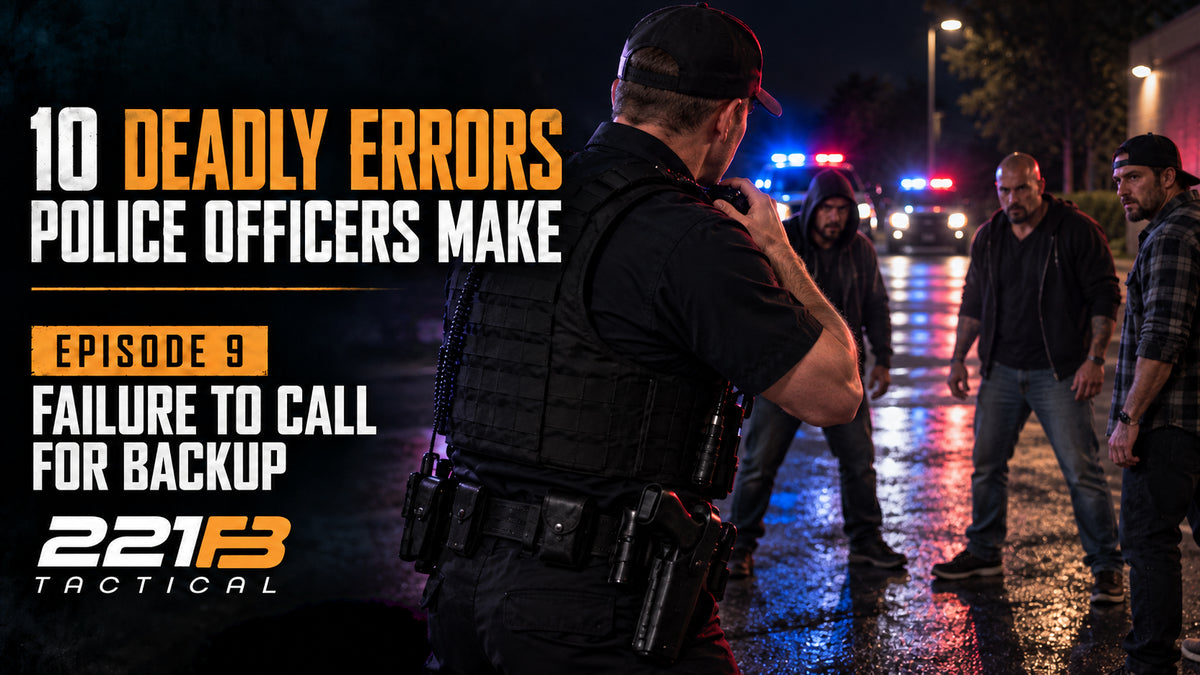
The Most Dangerous Words an Officer Can Say
“I’ve got it.” Those three words have put a lot of good cops in terrible positions. We are trained to take control, solve problems, and move toward danger when everyone else is moving away. That mindset is part of what makes someone a police officer. But when confidence turns into pride, it can also get an officer hurt or killed.
Calling for backup is not a sign that you are scared or unable to do your job. It means you understand that police work can change in seconds. A simple traffic stop can become a foot pursuit. A loud argument can become a fight. One calm person can suddenly be joined by three angry friends. The officer who calls early has options. The officer who waits until everything falls apart may not have time to make the call.
Backup Is Not Weakness
Police culture often rewards the officer who handles everything alone. Nobody wants to be known as the cop who always needs help. You may think the other officers are busy, the call does not sound serious, or you should be able to handle one person by yourself. That way of thinking can become deadly because you are making decisions based on pride instead of risk.
Backup does more than add another set of hands. Another officer can watch the people you cannot see, control a passenger, check a waistband, update dispatch, handle the radio, gather witnesses, or notice danger signs you missed. Their presence may stop a person from fighting in the first place. Two officers standing together can calm a situation that one officer might have to fight through.
There is nothing tough about taking a bad risk for no reason. Real confidence means knowing when the situation has moved beyond what one officer should handle alone. You do not lose respect by asking for help. You protect yourself, your partners, the public, and even the person you are dealing with by creating more control and more options.
Call Before You Need Them
The worst time to ask for backup is when you are already fighting for your life. Once your hands are tied up, your radio may be impossible to reach. Your breathing gets heavy, your words become harder to understand, and dispatch may not know exactly where you are. Even if the emergency button is activated, responding officers still need time to reach you.
Call early when the facts tell you the risk is growing. Ask for another unit when people are gathering, when a suspect is acting strangely, when you see signs of drugs or alcohol, when someone keeps reaching or refusing commands, or when your instincts tell you something is wrong. You do not need proof that a fight is coming. The warning signs are enough to prepare for one.
Give dispatch clear information while you still have time to speak. Confirm your exact location, describe the people involved, explain the behavior you are seeing, and say what kind of help you need. If the situation changes, update the radio. The officers coming to help you should not have to guess where you are, who the threat is, or what they are driving into.
Slow Down and Use Time
Many officers get into trouble because they feel pressure to act immediately. Unless someone is in danger right now, you may have time to wait, create distance, use cover, and let another unit arrive. A few extra minutes can turn a risky one-officer contact into a controlled team response. The call will still be there, but now you have more people, more tools, and a better plan.
Do not allow a suspect to set your speed. People may insult you, challenge you, walk away, or try to pull you into a bad position. Their words do not decide your tactics. Slow the situation down when you legally and safely can, keep your distance, watch the hands, and think about what happens if the person suddenly attacks. If your plan depends on everything going perfectly, it is not a good plan.
Backup also needs a job when it arrives. Take a few seconds to communicate who will make contact, who will cover, who will control other people, and who will handle the radio. Several officers without a plan can create confusion. A simple plan creates control and keeps everyone focused on the same threat.
Listen to the Feeling You Cannot Explain
Every experienced officer knows the feeling. Something looks normal, but it does not feel normal. The answers come too quickly. The hands keep disappearing. The passenger will not stop looking around. The room becomes quiet when you walk in. You may not be able to explain exactly what is wrong, but your mind is picking up details before you can put them into words.
Do not ignore that warning because you are worried about looking foolish. Call another unit, improve your position, and take your time. If nothing happens, that is a good outcome. It does not mean the backup call was unnecessary. It may mean your preparation kept the situation from becoming worse.
Your Family Does Not Care Who Made the Arrest Alone
At the end of the shift, nobody who loves you cares whether you handled the call by yourself. They care that you came home. Your partner would rather drive across town to help you than hear an officer-needs-help call after you are already on the ground. Give them the chance to be there before the fight begins.
Being Mission Ready means putting safety ahead of ego. Know when to slow down, know when to create distance, and know when to call for help. The best officers are not the ones who try to do everything alone. They are the ones who recognize danger early and use every available resource to control it. Make the call before you need it, protect the people beside you, and Eliminate the Impossible.
Request your discount code
Email our Customer Care team with your department and role. Verification takes minutes, and the code never expires.

Have a question about this discount?
Send an enquiry and it goes straight to our sales team at support@221btactical.com — not a public comment. Required fields are marked with an asterisk.