

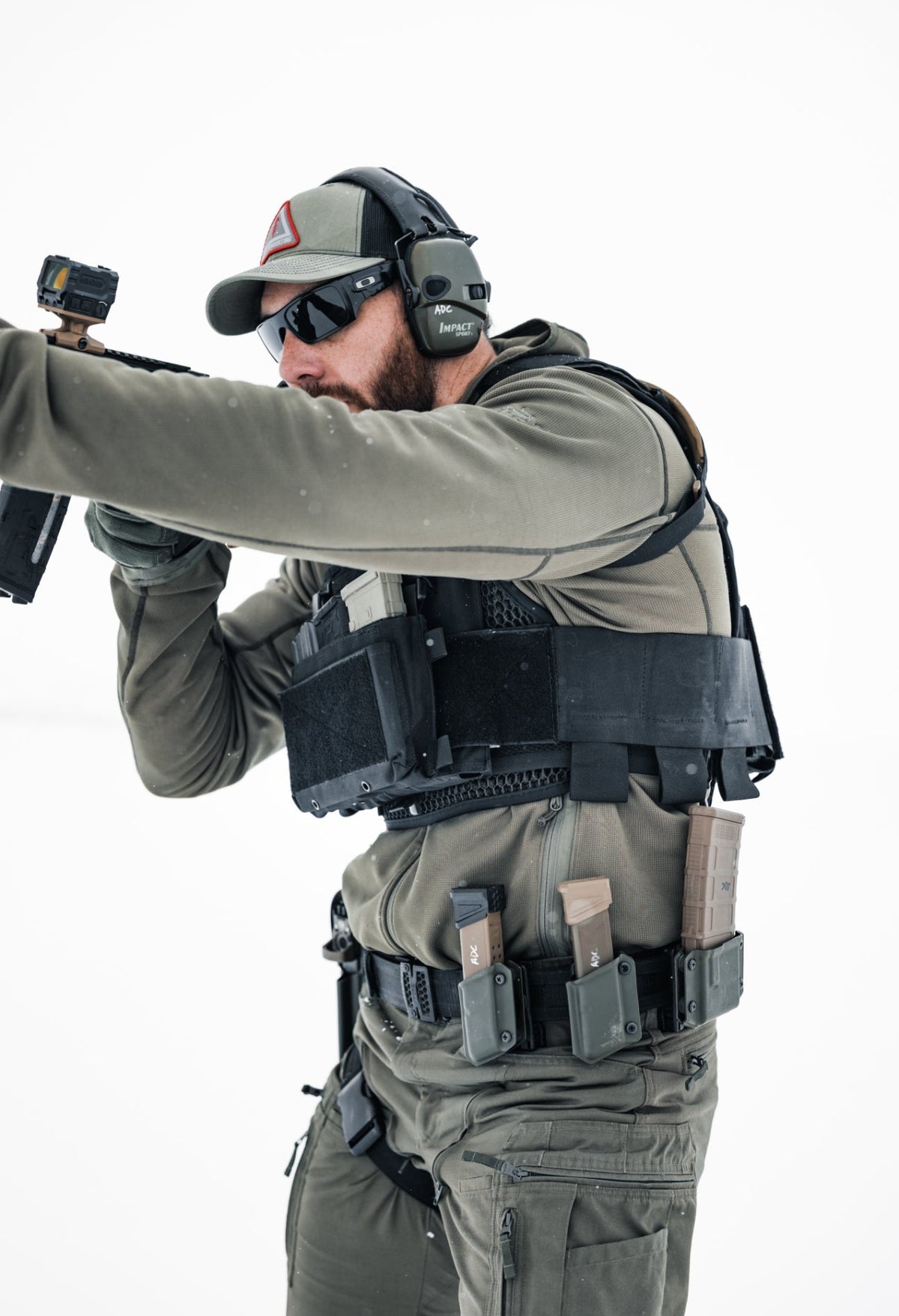
If you’ve spent any time on Reddit or other forums where people talk about tactical gear, you’ll notice the same questions come up again and again. And it makes sense; buying body armor isn’t like picking out a pair of running shoes. This is a decision that could mean the difference between life and death. That’s why I want to take the most common questions and break them down the way I would if we were sitting across the table having a conversation. Straightforward, no hype, just the truth.
What Level of Protection Do You Really Need?
The number one question always seems to be about protection levels. People want to know what level they actually need. The National Institute of Justice (NIJ) sets the standards, and you’ll hear terms like Level II, IIIA, III, and IV thrown around. At its core, it’s simple: the lower levels stop handguns, the higher levels stop rifles.
But here’s the part most people miss; most real-world threats that civilians face involve handguns, not rifles. According to FBI Uniform Crime Reporting data, handguns are used in the majority of firearm-related homicides in the U.S. That means for many people, soft armor rated IIIA is more than enough. Still, if you’re someone who wants to prepare for worst-case scenarios or you just like the peace of mind that comes with rifle protection, stepping up to Level III or IV plates is understandable.
Soft Armor vs Hard Armor
From there, the conversation usually shifts to soft armor versus hard armor. Soft armor is flexible, lighter, and easy to conceal under clothing. That makes it great for daily wear or situations where you don’t want anyone to know you’re wearing armor. The trade-off is that it won’t stop rifle fire.
Hard plates are what you need if rifles are part of the threat picture. Ceramic plates handle high-powered rounds but can crack if they’re abused. Steel is cheap and durable, but it’s heavy and can create dangerous fragments when hit. Polyethylene, or UHMWPE, is extremely light and even floats in water, but it comes with a higher price tag and certain limits against very fast or armor-piercing rounds. At the end of the day, it comes down to whether you’re planning for the most likely threat or the worst-case scenario. If you want to explore the options side by side, we’ve laid out both soft and hard armor solutions here.
Comfort and Weight
Another factor that gets overlooked is weight and comfort. You can buy the strongest plates money can buy, but if they’re so heavy you can’t move in them or so hot you want to rip them off after twenty minutes, then what’s the point? Talk to anyone who has worn armor for long shifts...comfort is not a luxury, it’s a necessity.
I’ve seen people pick steel plates because they were cheaper, only to realize later that they couldn’t actually wear them in any real scenario. Armor that stays in the closet doesn’t protect anyone. The reality is that breathable carriers and lightweight designs are worth every penny if you actually need to wear them for hours.
Fit and Coverage
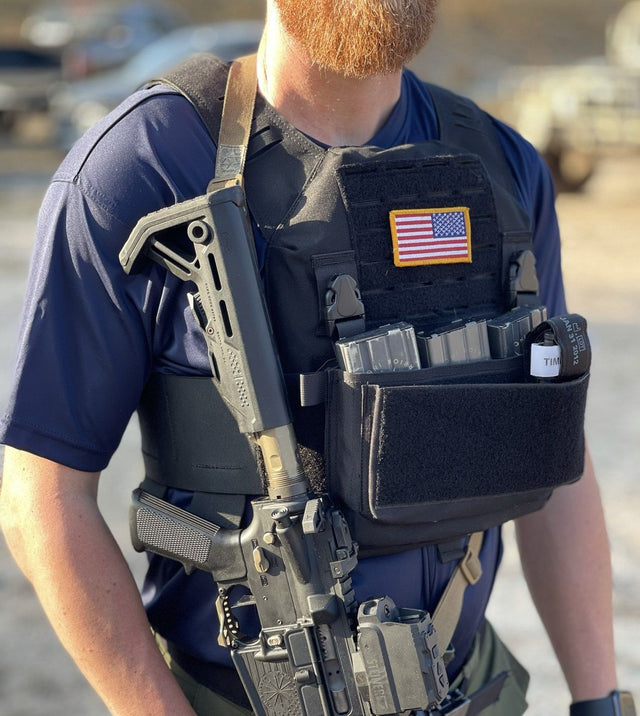
Fit is another area where people get tripped up. Bigger plates don’t mean better protection. Armor should cover your vital organs (your heart and lungs) not your entire torso. If the plate sits too low, it might protect your stomach but leave your heart exposed. The top edge should line up just below the notch at the base of your throat.
And don’t forget, the carrier is just as important as the plates. A poorly fitted carrier means your plates shift around when you move, and that can be just as bad as wearing no armor at all. If you’re not sure what size you need, our body armor collection has clear sizing guides to help you get it right the first time.
Cost vs Value
And of course, there’s the question of cost. Everyone wants to save money, but body armor isn’t the place to cut corners. If you find plates that seem like an unbelievable deal and don’t come with NIJ certification or legitimate test data, that’s not a bargain...it’s a gamble with your life.
That said, you don’t have to buy the most expensive option either. The goal is to balance your specific needs: threat protection, weight, and comfort...without wasting money on features you’ll never use. The sweet spot is gear that’s tested, trustworthy, and wearable. That’s the philosophy behind everything we offer at 221B Tactical.
So, Which Armor Is Right for You?
That depends on your situation. If you want peace of mind for everyday life and something you can wear discreetly, soft IIIA armor makes sense. If you’re preparing for potential rifle threats, hard plates rated III or IV are the right call. And if you’re in law enforcement or a first responder, your choice should be based on the environments you actually face on duty, not just what looks good on paper.
The truth is that the best armor is the one you’ll actually wear. When you boil it all down, most of the questions I see online come from people who want to feel safe without making the wrong investment. That’s a smart way to approach it. My advice is simple: figure out your most likely threats, choose armor that stops those threats, and make sure it’s something you can wear comfortably and move in. Everything else is just noise.
If you’re still on the fence, check out our body armor collection at 221B Tactical or reach out to us directly. We’ve outfitted everyone from patrol officers to preppers, and I’ll give you the same advice I’d give a close friend.
Stay safe out there.
-Suresh
Suresh Madhavan is the CEO and Founder of 221B Tactical, a company he started in his garage in New Jersey that has since grown into a multi-million-dollar brand trusted by operators, first responders, and citizens around the world.
Following the attacks of 9/11, Suresh chose a path of service, entering law enforcement after completing medical school. During his decorated career as a police officer, he earned the Life Saving Medal of Valor, served as a certified firearms instructor and trained new officers as a field training officer.
Today, through 221B Tactical, Suresh continues his mission to innovate gear that saves lives, enhances performance, and empowers those on the front lines—living by the company’s guiding principle: Eliminate The Impossible
Request your discount code
Email our Customer Care team with your department and role. Verification takes minutes, and the code never expires.

Have a question about this discount?
Send an enquiry and it goes straight to our sales team at support@221btactical.com — not a public comment. Required fields are marked with an asterisk.